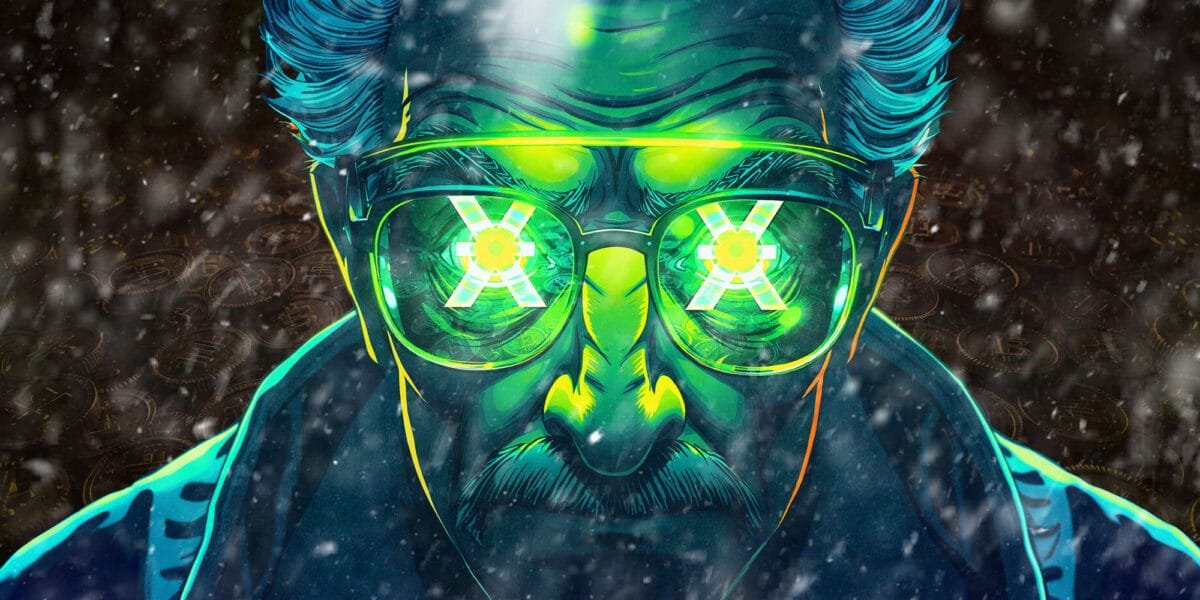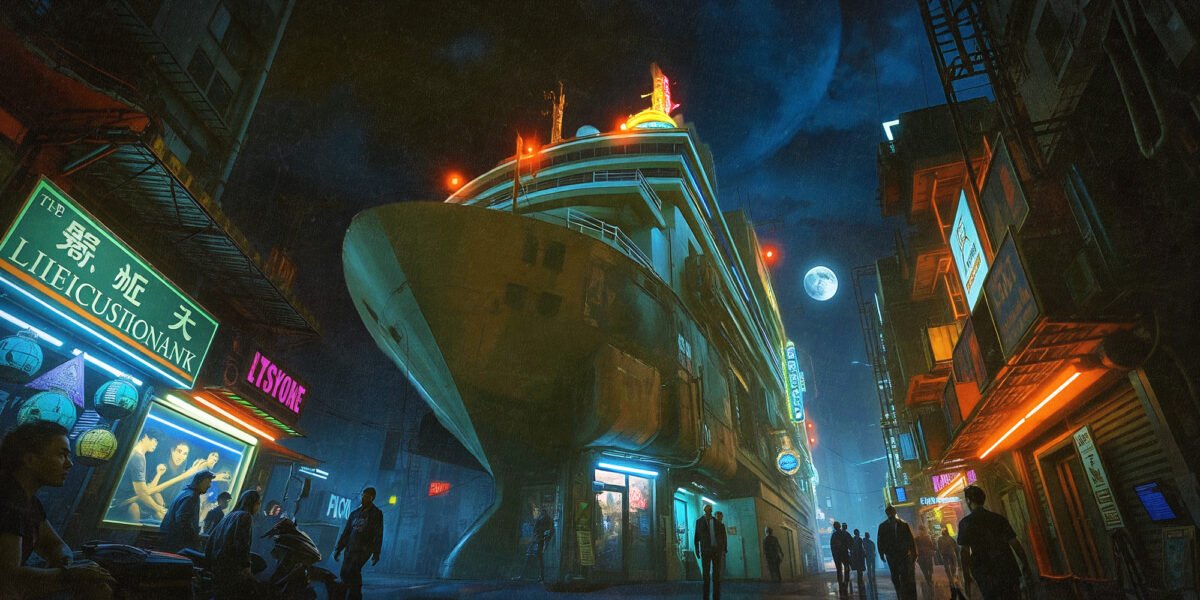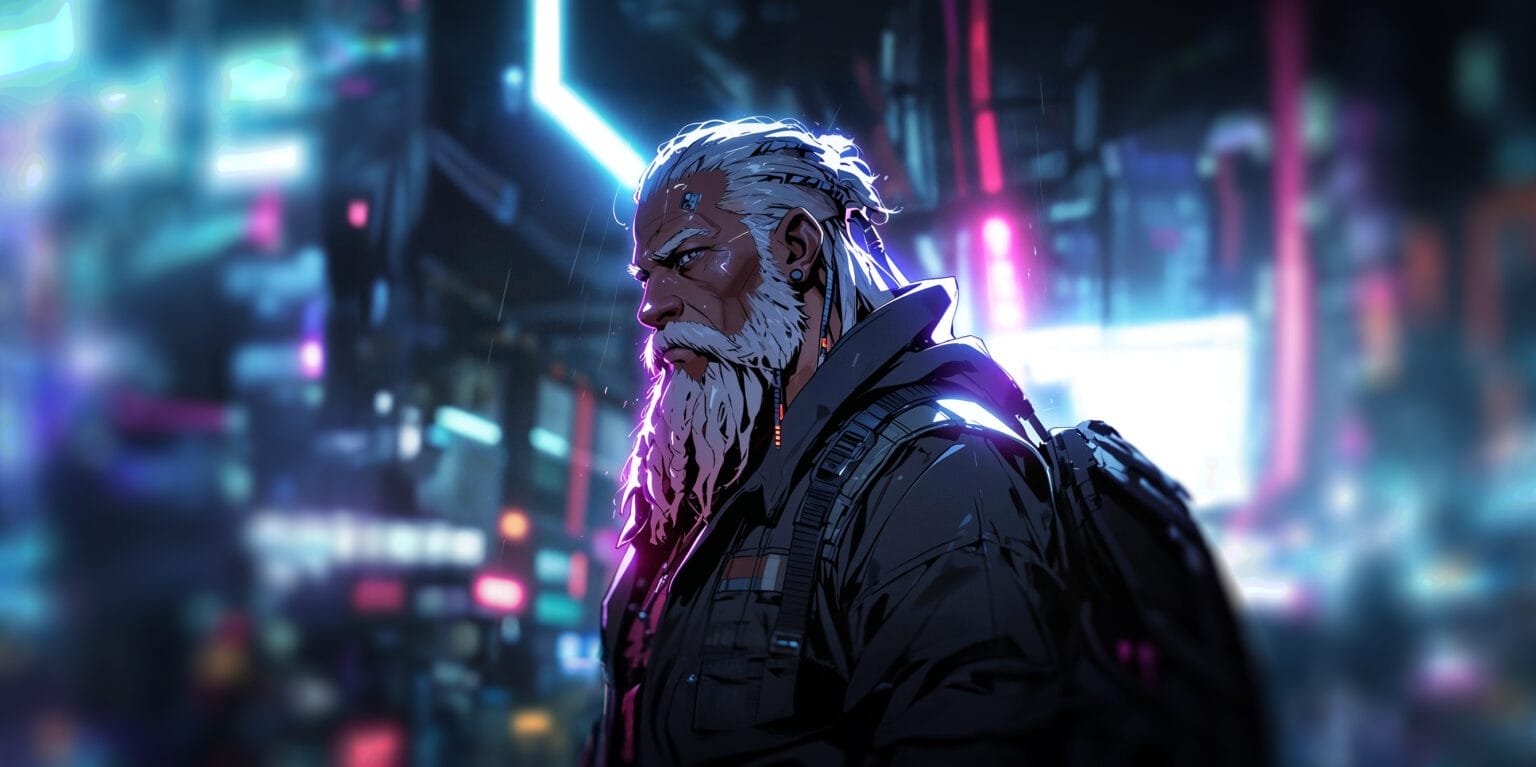
The day Kwame “Papa” Kusi unveiled Universal Energy Harvesting, the world’s energy barons predicted his ruin. But behind their laughter, fear flickered in their eyes…
They’d seen that determined limp before—the carbon-fiber cane with its grid of glowing blue lines tapping defiantly as he approached the stage…
“They called my father mad too,” Kusi announced to the crowd, his voice carrying the weight of generations. “But the Kusi way isn’t to shrink from skepticism. We innovate. We Adept. We drive forward, no matter the obstacles.“
With those words, he revealed what would change civilization forever—a vehicle that harvested energy — from everything: sunlight, sound vibrations, thermal differentials, kinetic motion, even ambient radio waves. Not just self-powering, but energy-generating.
The demonstration silenced every doubter. The Kusi Nexus glided silently onto the stage—an elegant machine seemingly alive with purpose. Power meters throughout the building surged. Kusi’s creation wasn’t consuming energy—it was producing it in abundance.
“Today, your car becomes your power plant,” he declared, leaning on his cane, eyes scanning the stunned audience. “Tomorrow, it powers your home. The day after, your community. Then your city.”
What they couldn’t see was the conflict behind his triumph:
- Countless threats on his life
- Seven sabotage efforts at his facilities
- Three assassination attempts in the past year
Yet here he stood—the man who dared challenge the most powerful industry on the planet…
Kusi Motors rose meteorically, transforming from boutique manufacturer to global powerhouse. Regions with high Kusi adoption reported 70% decreased dependence on centralized electricity. Energy poverty rates plummeted.
The revolution had begun…
But what no one realized: the neural interface collecting driver behavior wasn’t just optimizing energy collection. Each Nexus vehicle contained prototype consciousness-mapping hardware—technology far beyond its realized purpose. As users drove, the system captured cognitive patterns, decision frameworks, even emotional responses.
What no one suspected: the neural interface collecting driver behavior wasn’t just optimizing energy collection — within each vehicle —it was collecting data, “soul data.” The same data that would one day resurrect Papa Kusi when his descendants were faced with similar adversities.
The leather and chrome of his workshop would eventually give way to sleek, futuristic designs. But Kwame’s philosophical core—the belief that technology should liberate rather than constrain—would echo through generations of Kusi innovations.
“What’s the point of the future,” he often asked, “if it’s just a carbon copy of the past?”
Millenia later, when his distant descendant Amara Kusi resurrected his consciousness, the world would discover just how far ahead of his time Papa Kusi had truly been—and what secrets still lay dormant in his revolutionary designs.